Strong traction does not guarantee fast funding if your numbers are not ready.
Many founders focus heavily on product, growth, and storytelling when preparing for a funding round. But once investor interest is there, the process often slows down for one reason: accounting.
Funding rounds are rarely delayed because a startup lacks potential. They are delayed because financial information is incomplete, inconsistent, or unreliable. These accounting mistakes create friction during due diligence and raise unnecessary concerns for investors.
Why accounting quality matters during fundraising
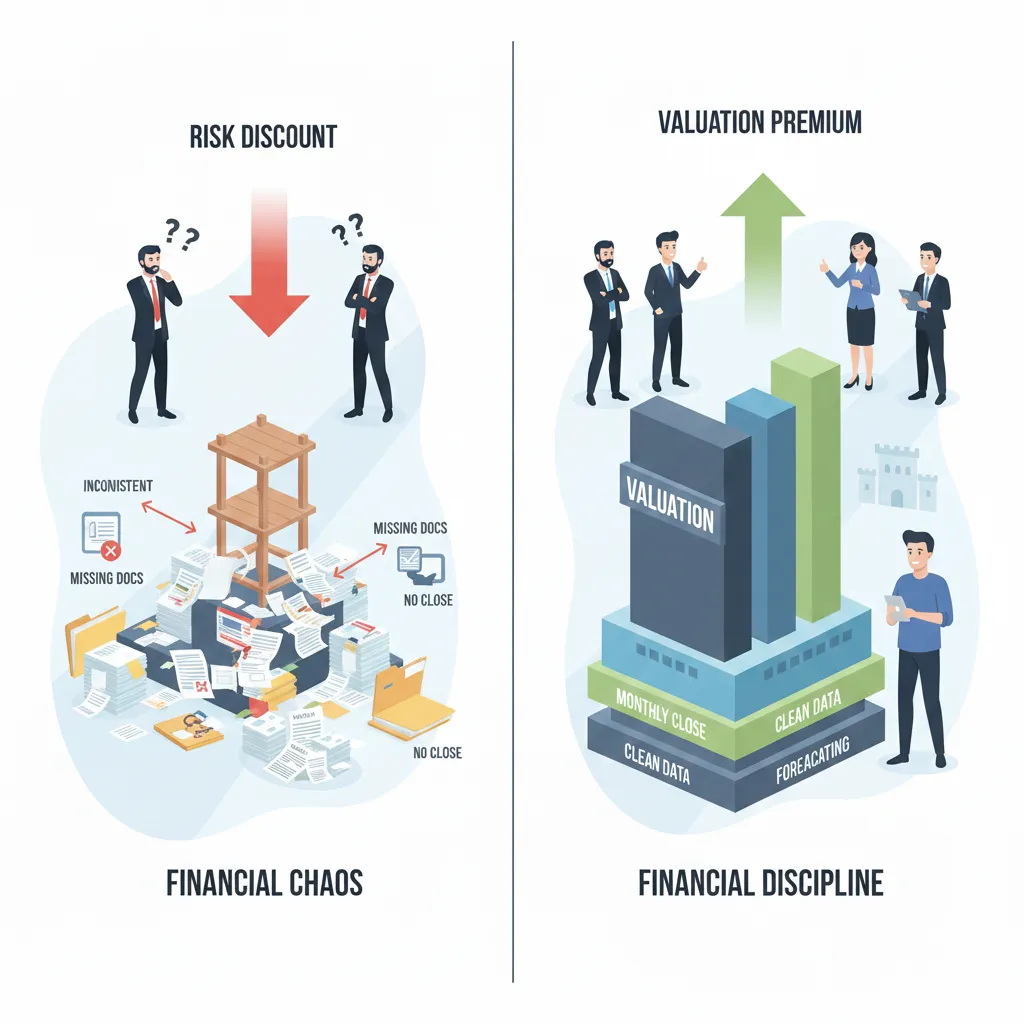
Investors use financials to evaluate risk. Clean and well structured accounting shows discipline, transparency, and control. Messy books signal the opposite.
According to multiple venture capital surveys, unclear or unreliable financials are one of the most common reasons due diligence takes longer than expected. The longer the process takes, the higher the risk of losing momentum or investor confidence.
Mistake 1: Inconsistent or outdated financial statements
One of the most common issues is presenting financials that are not up to date or do not tie together.
Examples include:
- An income statement updated through last quarter, but a balance sheet that is two months behind
- Cash balances that do not match bank statements
- Numbers that change between versions without explanation
Investors expect consistency. If your statements cannot be reconciled quickly, trust erodes immediately.
Mistake 2: No monthly close process
Founders who rely on ad hoc bookkeeping often struggle to answer basic investor questions.
Without a monthly close:
- Expenses may be recorded late or incorrectly
- Revenue recognition may be inconsistent
- Key metrics cannot be trusted
A monthly close creates a clear financial snapshot. It allows investors to review trends instead of guessing what the numbers mean.
Mistake 3: Mixing personal and business finances
Using personal credit cards or bank accounts for business expenses is common in early stages, but it becomes a red flag during fundraising.
This practice:
- Creates unclear expense categorization
- Complicates tax reporting
- Makes audits and diligence more time consuming
Investors expect clean separation between personal and company finances, even at early stages.
Mistake 4: Poor revenue recognition practices
Revenue recognition errors are especially damaging during funding rounds.
Common issues include:
- Recognizing revenue before it is earned
- Failing to track deferred revenue properly
- Inconsistent treatment of subscriptions or contracts
Incorrect revenue recognition makes growth metrics unreliable and forces investors to question reported traction.
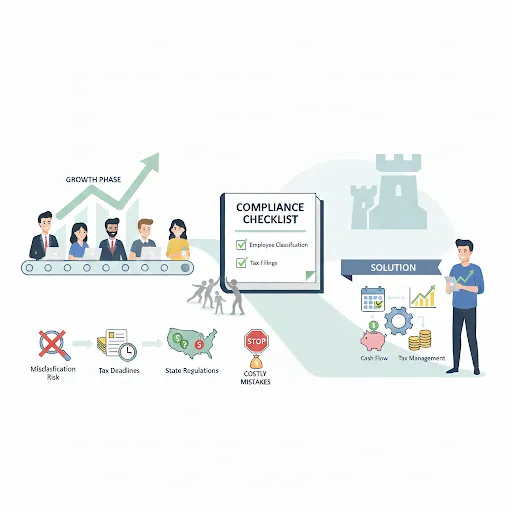
Mistake 5: Inaccurate payroll and contractor classification
Misclassifying employees and contractors creates both financial and legal risk.
During due diligence, investors often review:
- Payroll records
- Contractor agreements
- Tax filings related to compensation
Errors in classification or missing documentation can lead to delays, legal exposure, or valuation adjustments.
Mistake 6: Missing documentation for key accounts
Investors may request support for:
- Payroll expenses
- Large vendor payments
- Equity compensation
- Debt balances
When documentation is missing or scattered, founders spend valuable time searching for answers instead of moving the deal forward.
How disciplined accounting accelerates funding rounds
Startups with clean accounting move faster because they can:
- Answer investor questions confidently
- Share consistent reports without revisions
- Reduce back and forth during diligence
- Build trust early in the process
Well prepared financials do not just speed up fundraising. They improve negotiating position and perceived valuation.
How Castlewalk prepares startups for investor due diligence
At Castlewalk, we help founders prepare for funding rounds long before investors ask for documents.
We support startups by:
- Implementing monthly close processes
- Cleaning up and reconciling historical financials
- Ensuring accurate revenue and payroll reporting
- Organizing documentation for fast due diligence access
Our focus is not just compliance. It is helping founders present financials that investors can trust.
Clean Accounting Keeps Funding Momentum Alive.
Funding delays are often preventable. Most accounting mistakes that slow down funding rounds come from lack of structure, not lack of effort.
Founders who invest early in disciplined accounting reduce friction, maintain momentum, and close rounds faster. Schedule a free consultation with Castlewalk and make sure your financials are ready when investors say yes.