Profit looks good on paper. Cash keeps your business running.
Many founders believe that once their startup becomes profitable, financial stress disappears. In reality, some of the fastest growing startups fail after reaching profitability. The reason is simple. They confuse profit with cash flow.
Understanding the difference between cash flow and profit is not accounting theory. It is one of the most critical survival skills for any growing business.
What profit really tells you
Profit measures whether your revenues exceed your expenses during a specific period. It lives on your income statement and follows accrual accounting rules.
Profit helps answer questions like:
- Is the business model working?
- Are margins improving?
- Are operating costs under control?
Profit matters. Investors look at it. But profit does not tell you when money actually enters or leaves your bank account.
What cash flow actually tells you
Cash flow tracks the real movement of money in and out of your business. It determines whether you can pay payroll, vendors, taxes, and rent on time.
Cash flow answers questions like:
- Can we cover payroll this month?
- How long can we operate without new funding?
- Are we collecting revenue fast enough?
A business can be profitable and still run out of cash if customer payments are delayed, expenses are paid upfront, or growth requires early investment.
According to the U.S. Small Business Administration, poor cash flow management is one of the leading causes of business failure, even among companies with strong sales.
Why profitable startups still run out of cash
Several common situations create a dangerous gap between profit and cash.
Delayed customer payments
Revenue may be recognized today, but cash arrives 30, 60, or 90 days later.
Upfront operating expenses
Payroll, software subscriptions, marketing, and inventory are often paid before revenue is collected.
Growth pressure
Hiring, expansion, and product development require cash before they generate returns.
Tax obligations
Payroll taxes, income taxes, and sales taxes are cash expenses that do not always align with profit timing.
Harvard Business Review notes that many high growth startups fail not because they are unprofitable, but because they underestimate the cash required to sustain growth.
The cash metrics founders should review regularly
Founders do not need dozens of financial reports. A small set of cash focused metrics creates clarity.
Key numbers to monitor:
- Current cash balance
- Monthly burn rate
- Cash runway
- Accounts receivable aging
- Payroll as a percentage of cash outflows
Reviewing these metrics weekly or monthly allows founders to spot problems early and act before cash becomes tight.
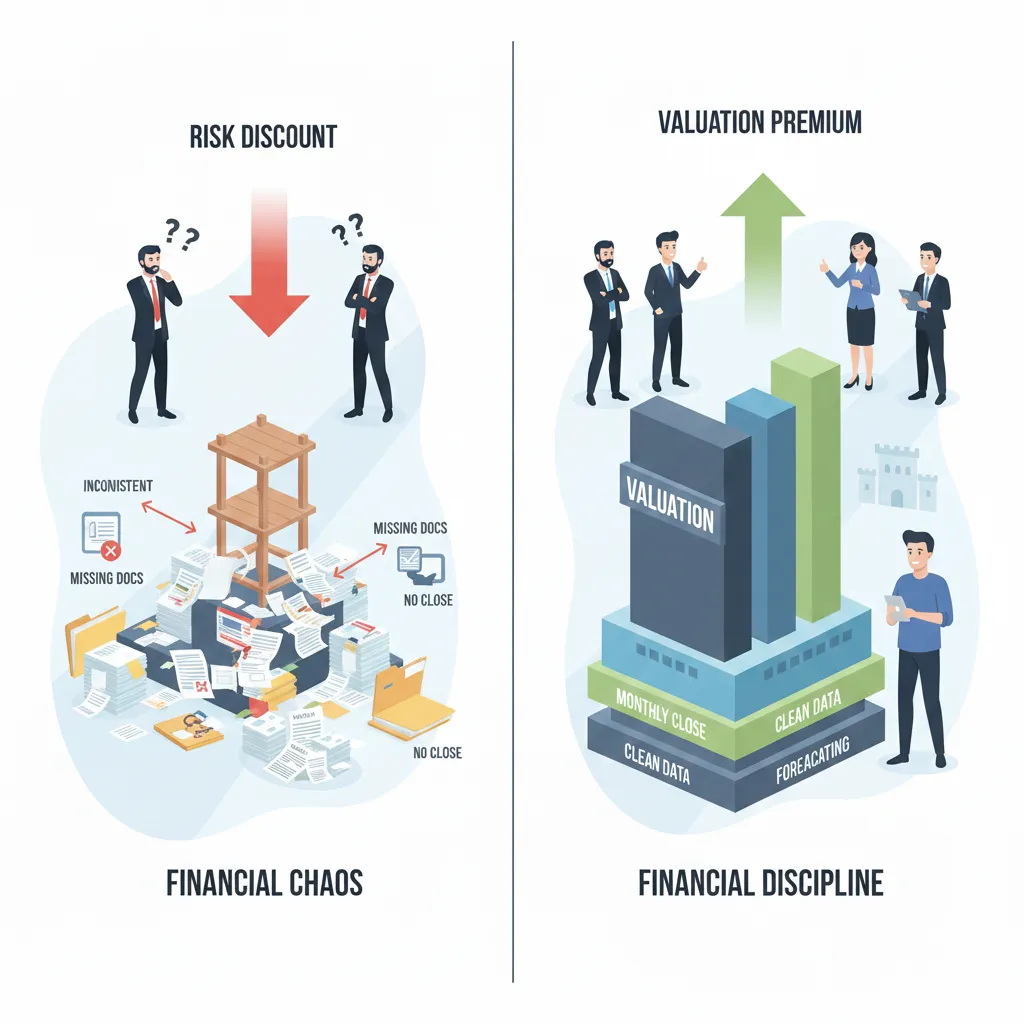
How financial discipline prevents cash surprises
Startups that close their books monthly and review cash flow consistently make better decisions. Financial discipline allows teams to:
- Identify cash gaps early
- Adjust hiring and spending proactively
- Plan fundraising timelines realistically
- Build credibility with investors and lenders
Research from PwC shows that companies with structured financial reporting identify financial risks earlier and respond faster to liquidity challenges.
How Castlewalk helps founders stay cash healthy
At Castlewalk, we help founders move beyond basic bookkeeping to true financial visibility.
Our team supports startups by:
- Building accurate cash flow statements and forecasts
- Connecting accounting, payroll, and banking data
- Monitoring burn rate and runway monthly
- Translating financial data into clear insights founders can act on
Our goal is simple. No surprises. No last minute cash emergencies.
Cash Flow Is Survival. Profit Is a Result.
Profit tells you if your business makes sense. Cash flow tells you if it survives.
Founders who understand the difference between profit and cash make stronger decisions, raise capital with confidence, and scale sustainably. Financial discipline is not about complexity. It is about clarity and control.
Schedule a free consultation with Castlewalk and take control of the numbers that actually keep your startup alive.